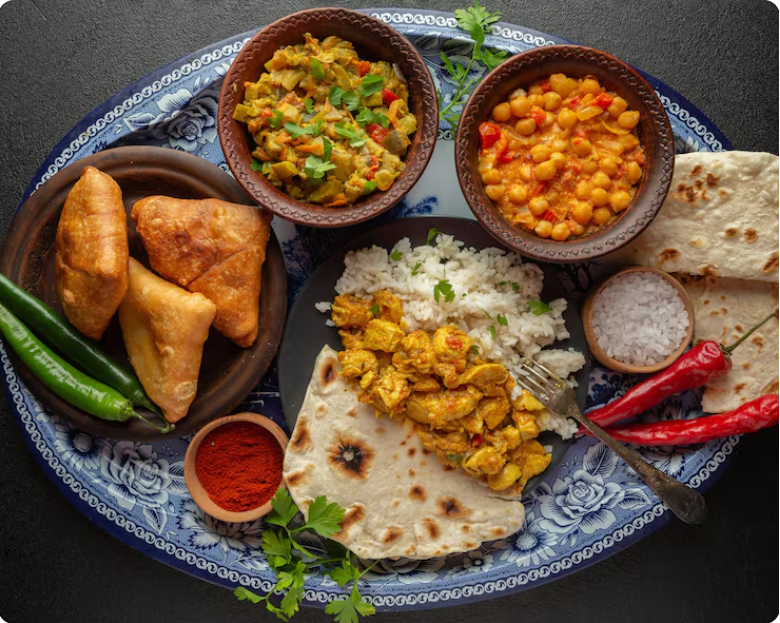
Food culture refers to the social, cultural, and traditional practices associated with the preparation, consumption, and appreciation of food. It encompasses a wide range of customs, rituals, ingredients, and flavors unique to each region or community. Every society has its own food culture, influenced by geography, climate, history, religion, and social norms. Food is not just a means of survival; it is also a way of expressing identity, connecting with others, and preserving heritage.
The Role of Food in Society
Food plays a central role in all societies, functioning as a symbol of hospitality, tradition, and celebration. In many cultures, sharing a meal with others is an important social activity that fosters connection, communication, and bonding. Whether it’s a family gathering, a festive occasion, or a casual get-together with friends, food brings people together in meaningful ways. For example, in many cultures, food is the centerpiece of holidays, such as Thanksgiving in the U.S., Diwali in India, or Lunar New Year celebrations in China.
Moreover, food often symbolizes a person’s cultural identity. The flavors, cooking techniques, and ingredients used in a particular dish tell the story of a community’s history and traditions. For example, Italian cuisine is known for its use of olive oil, tomatoes, and fresh herbs, reflecting the Mediterranean climate and agricultural practices. Similarly, Japanese food culture emphasizes seasonality and presentation, with a focus on fresh fish, rice, and vegetables. These culinary traditions are passed down through generations, preserving the essence of each culture.
Regional Influences on Food Culture
Geography plays a significant role in shaping food culture. The natural environment of a region, including its climate, soil, and available resources, dictates what ingredients are grown or available for consumption. For instance, tropical regions often have an abundance of fruits like mangoes, bananas, and coconuts, while colder climates rely more on root vegetables and hearty grains.
Spices and herbs are also deeply influenced by regional factors. Indian cuisine, for example, is known for its rich use of spices like cumin, coriander, turmeric, and garam masala, which are grown locally and have cultural significance. In contrast, French cuisine is famous for its herbs like thyme, rosemary, and lavender, which flourish in the temperate climate of the Mediterranean.
The availability of livestock and seafood is another factor in regional food culture. Coastal regions may feature seafood prominently in their cuisine, while inland areas may have more meat-heavy dishes, such as barbecue in the southern United States or lamb stews in central Asia.
Cultural Influences and Food Traditions
Religious beliefs and cultural values also shape food culture. Certain religions dictate what can and cannot be consumed, leading to dietary restrictions or the creation of specific dishes for religious observances. For example, in Islam, the consumption of halal foods is encouraged, while Hinduism emphasizes vegetarianism and the avoidance of beef. Judaism has its own dietary laws, including the requirement for kosher food.
Food traditions are often passed down from generation to generation, creating a sense of continuity and belonging within communities. The cooking methods and recipes used by ancestors are cherished and preserved, whether through family cookbooks, festivals, or cooking classes. In many cultures, preparing food together is a cherished activity that strengthens family ties and ensures that culinary traditions continue.
For instance, in Mexico, food is a central part of community celebrations, with dishes like tamales, tacos, and mole being served at weddings, birthdays, and religious events. Similarly, in Italy, meals are often prepared and enjoyed together as a family, with recipes passed down from mother to daughter, and pasta-making remains a time-honored tradition.
The Evolution of Food Culture in a Globalized World
With globalization and the rise of mass communication, food culture is becoming increasingly interconnected. As people travel and migrate, they bring their food traditions with them, introducing new ingredients and cooking techniques to foreign lands. This exchange has led to the rise of fusion cuisine, which blends elements from different culinary traditions to create innovative and diverse dishes. For example, sushi burritos, tacos with kimchi, and Indian-style pizza are examples of fusion foods that combine flavors from various cultures.
At the same time, the globalization of food has made many cuisines more accessible. Thanks to international trade and transportation, ingredients that were once rare or region-specific can now be found in grocery stores across the world. This has led to a broader appreciation for global cuisine and an increased interest in trying new dishes. Japanese sushi, Italian pasta, Mexican tacos, and Indian curry have become staples in many countries, allowing people to experience and enjoy diverse food cultures.
Food Culture and Sustainability
In recent years, there has been growing awareness of the environmental impact of food production. As concerns about climate change, resource depletion, and sustainability increase, many people are reevaluating their food choices. Food culture is shifting towards more sustainable practices, such as plant-based diets, locally sourced ingredients, and organic farming. The movement toward sustainable eating encourages the consumption of seasonal produce, reducing food waste, and supporting local farmers.
The emphasis on sustainability is also reflected in the rise of slow food movements, where the focus is on preserving traditional cooking techniques, enjoying meals at a leisurely pace, and supporting ethical food production practices. This is in contrast to fast food culture, which promotes quick, mass-produced meals that often lack cultural significance and nutritional value.
The Impact of Food Culture on Health
Food culture plays an important role in shaping public health. Traditional diets that are rich in whole grains, fruits, vegetables, and lean proteins have been linked to lower rates of chronic diseases like heart disease, diabetes, and cancer. In contrast, the rise of processed foods, sugary snacks, and fast food has contributed to the global obesity epidemic and related health issues.
Many cultures have long traditions of using food for its health benefits. For example, Mediterranean cuisine is known for its heart-healthy benefits, with its emphasis on olive oil, fish, vegetables, and whole grains. Japanese food culture includes dishes like miso soup and green tea, both of which are known for their antioxidant properties and health benefits.
Conclusion: Food Culture as a Reflection of Identity and Connection
Food culture is a reflection of who we are, where we come from, and how we connect with others. It’s a vital part of human life, encompassing a vast array of traditions, flavors, and customs. From the recipes passed down through generations to the way food brings communities together, food culture is much more than just sustenance—it’s a form of storytelling, connection, and celebration. As the world continues to change, food culture will evolve, but it will always remain a central part of our lives, helping to define our identity, enrich our experiences, and promote our well-being.